

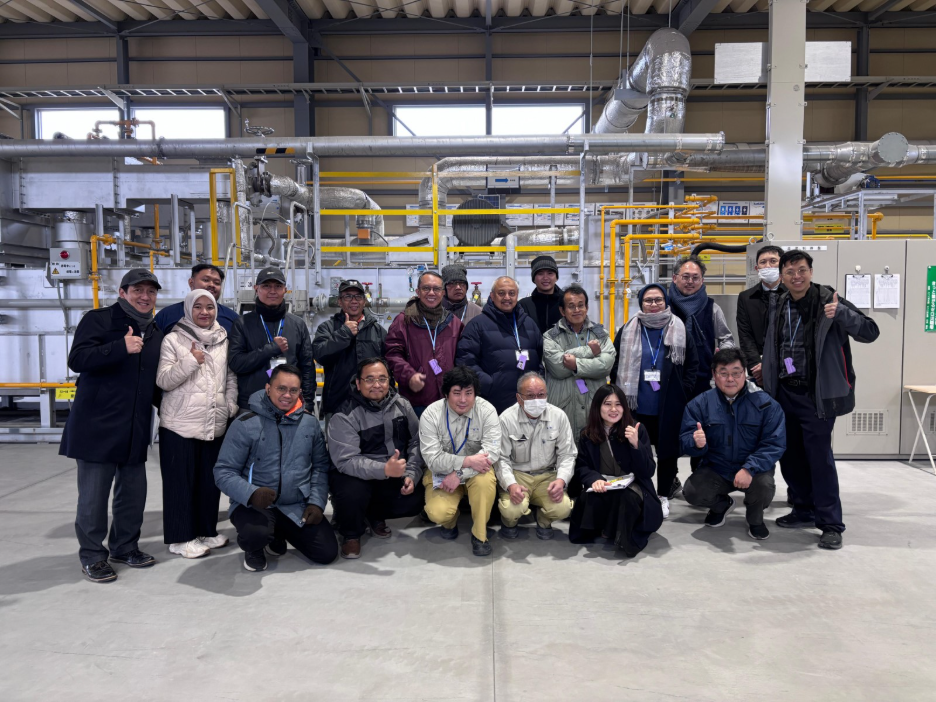
In the solar power industry, maintenance and inspection—also known as Operation & Maintenance (O&M) are crucial aspects of ensuring long-term system reliability and efficiency. One professional dedicated to this field is Nurizza Salsa Alafia, an O&M Engineer at ATW Solar, who recently completed the AOTS & METI Japan Training Program on PV System Maintenance & Inspection in Japan.
For Nurizza, this training has reshaped her perspective on O&M. “Before this training, I saw O&M as just a routine task. Now, I understand that it is the backbone of solar energy’s long-term success,” she shared.
The Importance of O&M Standards in the Solar Industry
“A well-maintained solar power system isn’t just about performance—it’s about securing our investment in clean energy.” – Nurizza Salsa Alafia
As an engineer directly involved in solar power plant operations, Nurizza recognizes the critical role of strong O&M standards in:
- Minimizing risks such as infrastructure damage, fire hazards, and electrical failures.
- Ensuring compliance with government regulations to accelerate the clean energy transition.
- Integrating 3R principles (Reduce, Reuse, Recycle) to mitigate the environmental impact of solar component waste.
In Indonesia, the implementation of rigorous O&M standards is still in progress. Without proper maintenance, solar power systems face serious risks, including infrastructure failures, fire hazards, and electrical disturbances. Therefore, as renewable energy regulations evolve, they must be accompanied by stronger O&M standards to maximize and sustain the benefits of solar power.
Learning from the Best: Prevention Over Repair
Japan is well known for its systematic and precise approach in various industries, including solar power maintenance. During her training, Nurizza gained valuable insights into how Japan enforces strict O&M standards to ensure the reliability of its solar power systems.
One key lesson she learned was the mandatory preventive maintenance regulations in Japan. There, routine inspections are not optional but required. This proactive approach enables early detection of potential issues, preventing them from escalating into major failures. According to Nurizza, this method is highly relevant for Indonesia, particularly in developing structured, data-driven maintenance schedules.
Additionally, Japan applies advanced inspection technologies to enhance maintenance efficiency. During the training, Nurizza was introduced to state-of-the-art PV junction detection tools that help identify faulty connections within a solar array. These innovations enable early fault detection, allowing for faster troubleshooting and more efficient maintenance processes. For Nurizza, this experience highlighted the importance of adopting technology to streamline O&M processes in Indonesia.
A New Perspective on O&M
Attending this training was more than just an opportunity for technical learning—it transformed Nurizza’s mindset on the significance of solar power maintenance and inspection standards. She now understands that every component in a solar power system must be regularly inspected to ensure optimal performance.
She believes that many industry challenges can be addressed through a data-driven approach. By leveraging real-time system performance data, companies can develop more effective O&M strategies, reduce downtime, and improve operational efficiency.
“A deeper understanding of solar power systems makes us more aware of the importance of routine inspections to prevent major failures and ensure maximum system performance.” – Nurizza Salsa Alafia
Beyond the technical aspects, Nurizza also emphasizes the importance of the 3R principles in Indonesia’s O&M ecosystem. By incorporating recycling and sustainability practices, the solar energy industry can significantly reduce its environmental footprint and become more sustainable.
Building the Future of Solar O&M in Indonesia
After completing the training, Nurizza is confident that Indonesia can enhance its O&M standards by adopting best practices from Japan. A key factor in this improvement is the development of clearer and more structured national standards. With stricter regulations and comprehensive technical guidelines, Indonesia’s solar industry can become more advanced and competitive.
Furthermore, improving O&M standards will help:
🔹 Reduce operational risks and long-term maintenance costs.
🔹 Improve solar system performance and reliability.
🔹 Strengthen Indonesia’s solar energy ecosystem.
“Imagine a future where every solar panel in Indonesia operates at peak efficiency for decades. That future starts with strong O&M standards today.” – Nurizza Salsa Alafia
As a dedicated O&M professional, Nurizza continues to innovate and contribute to the development of best practices for Indonesia’s solar industry. With her expertise, she is ready to drive positive change toward a more reliable and sustainable clean energy future.